Selecting the right pack is one of the most important decisions you will make when gearing up for a trip. After all, you will be wearing it almost every waking moment for the duration of your trip, so we research and test all of the top packs on the market, year after year, to help you make the best decision based on your needs.
Every model is unique; some packs have innovative suspensions to help achieve a comfortable carry while maintaining airflow behind your back. Others have a simple design with basic features to reduce weight. Some are designed to haul the kitchen sink, while others are minimalistic to keep you fast and light. While comfort is critical, having the right set of pockets and features for your preference can also make all the difference between a pack you rave about and one you gripe about.
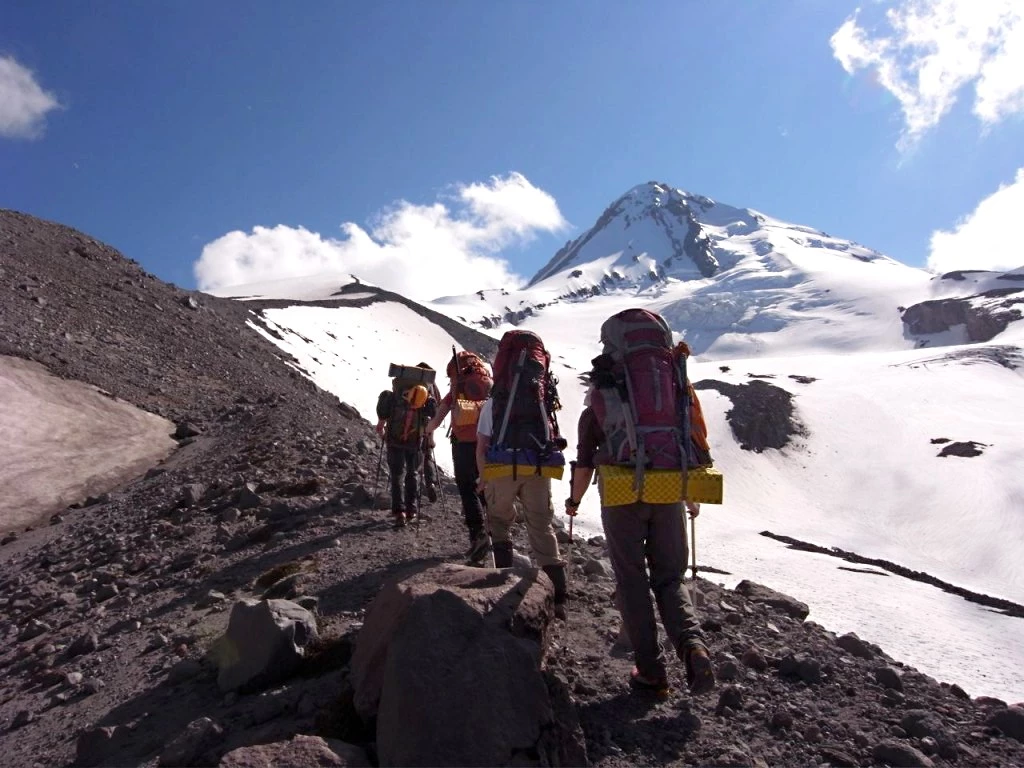
Because so much of the selection is based on personal preference, our guidelines are meant to help you narrow down your choices based on how you plan to use the pack, how long you need to use it for, and perhaps, most importantly, how to find the most comfortable pack for you.
Backpacking Styles
Every person who goes out into the backcountry does so for different reasons. “Hike your own hike” is a common saying on long-distance trails. What kind of hiking do you want to do? By thinking about how you’d like to adventure with your pack, you can start to eliminate the models that won’t suit your needs and focus on the features that matter the most to your specific needs.
What’s the rush?
Are you the type of hiker that doesn’t want to stress too much about weight reduction, prioritizing instead, a comfortable camp set-up, and a couple of novelty items to occupy your time? A pack of cards, a flask, pillow, extra tarp, camera gear, kite… do you want to have the flexibility to carry extra creature comforts into the woods, even if it means carrying the extra weight? Maybe you don’t plan on pushing 20 miles a day and instead are happy with eight. Maybe you like long lunch breaks and slow meandering down the trail. If you don’t plan to hike as far or as fast, you will likely gravitate towards a slightly larger pack, has a decent weight carrying capacity and one with a good assortment of outside pockets.
Fast and light
On the flip side, would you rather forgo luxury items to lessen your burden, allowing you to swiftly move through the trees? If you enjoy putting your body to the test and find pride in meeting the challenge of big mile days, then a lighter pack with a smaller capacity is for you. When looking for packs suited for this style of backpacking, focus on pack-on accessibility. Since speed is the game, taking off your pack to access more snacks, sunscreen, or bug spray feels more inconvenient. Instead of features like a lid or zipper access, you want a pack with large hip pockets and big easy to get in and out of water bottle pockets. Often packs like these will have large stretch mesh front pockets that are great for keeping your lunch in or stashing away a layer when the day warms up.
Pack Volume
The question of volume depends on the duration of your trip and how much stuff you like to bring. In our review, we chose to test a wide array of packs, ranging from 55-105 liters; these models can typically accommodate loads for 2-10 days of backcountry travel and meet the needs of a wide variety of adventurers. Some backpackers who bring more luxury items or dated gear may find they need a 70-liter pack for a short overnighter, while others who go with less and have lighter weight, more modern gear can easily make a 60-liter pack work for an Appalachian Trail thru-hike.